Table of Contents
Introduction: Why Online Privacy Matters More Than Ever
By 2025, nearly all our activities, the purchase itself, banking operations, work, and even communication with people will be done online. This is convenient, but at the same time, this is a big downside because whatever is on our personal data is being tracked and collected innocently and often sold behind our backs. Unless you are a security whistleblower, programmers, just like advertisers or cybercriminals, never leave their online presence and actions without discovering your interest, or exploiting security holes.
This is why digital privacy is more important than ever to take control of. A VPN, often termed a Virtual Private Network, is one of the most effective methods that may be used to safeguard your personal information on the internet. It is no longer restricted to tech gurus. VPNs can assist all users (students, professionals, or anyone using the internet on a regular basis) to browse and get safe and secure access.
What Is a VPN? Simple Explanation for Beginners
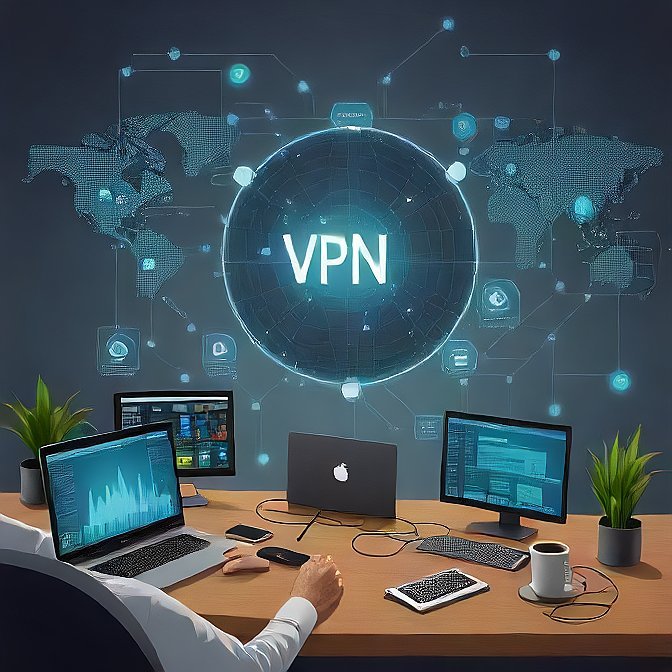
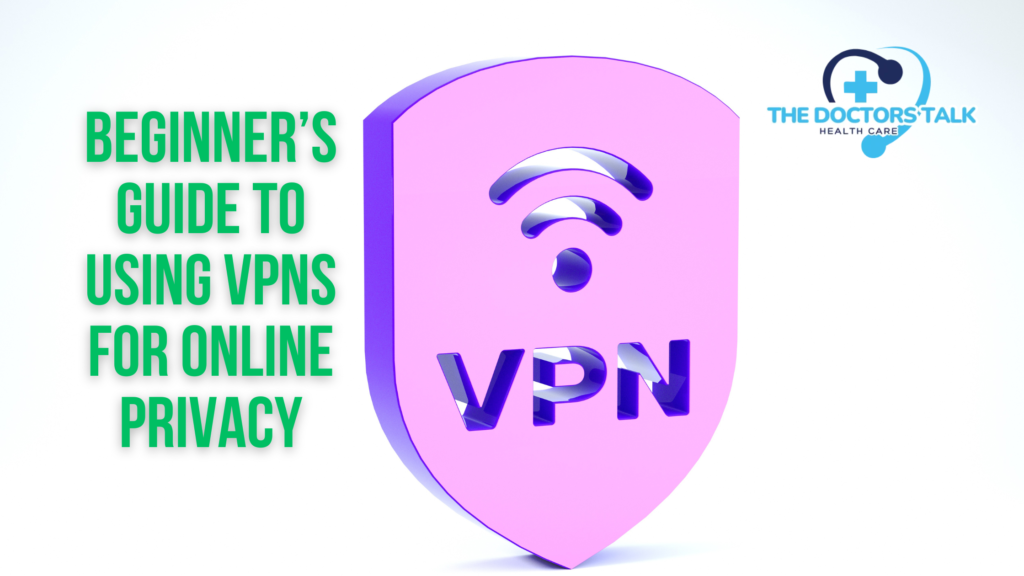
A VPN, or Virtual Private Network, is a product that allows creating a safe connection between your machine and the web. It accomplishes this by having your internet encrypted through an encrypted tunnel to make it hard to determine what you are doing online.
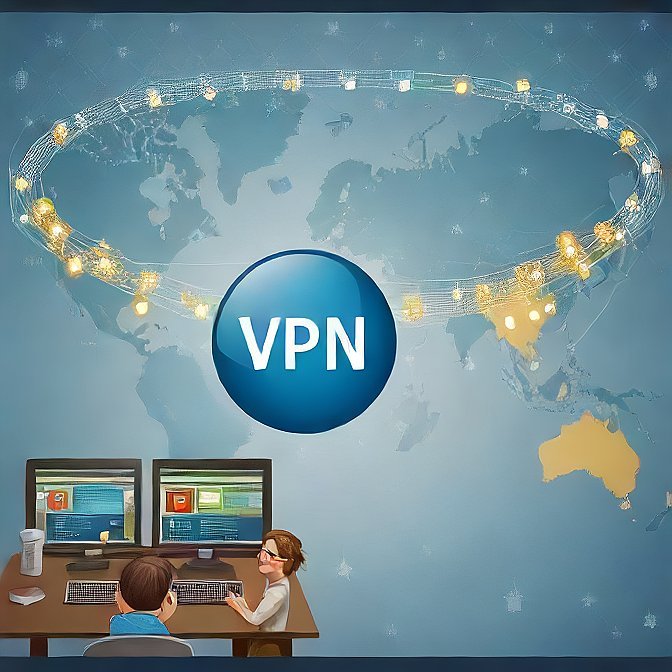
Imagine you send data not immediately to the desired website, but take it to a secure server first, so it will be you and a VPN communicating. This conceals your IP network and makes it seem that you are visiting it from a different place. As an example, being in Pakistan, when connected to a VPN server in the UK, the sites will believe you are in Yorkshire.
This keeps you safe by concealing your identity at least on pubic Wi-Fi connections where your personal information is easy to root out.
Key Benefits of Using VPNs You Should Know
Performing on a VPN gives great advantages to daily internet users:
- Mask Your IP and Place: Your IP address gives away your position and identity on the web. VPN obscures it, and it makes you incognito.
- Protect Your Data: The data that your computer is exchanging with other computer devices over the internet is encrypted and hence, not understandable to crackers and spies.
- Bypass Location-specific Blocks: You can look around block on the VPNs and get access to corporate or personal information, blocked in your particular area of residence, e.g., to certain YouTube videos or streaming sites.
- Make Wi-Fi in Public Safe: No one can tell which other individual may be sharing the same Wi-Fi as you, and the pages you access can prove to be dangerous. This is the reason why a VPN will ensure your stint in a coffee shop or airport is secure.
These are the Advantages of VPNs to Your Online Privacy and Safety
With a VPN, you are much harder to track. Advertisers can not track every move of yours. The snooping by governments and internet service providers (ISPs) is not possible. And hackers will not be able to steal your passwords and financial information easily.
The advantage of VPN is that not only can it keep you out of surveillance by the sites themselves spying on you, but it means that sites cannot build a profile based on your surfing habits, and it can help keep your own data against you getting scraped.
Check Out: Best Free Coding Platforms for Beginners to Learn Programming.
Choosing the Right VPN for Your Needs
Making the right choices when it comes to VPNs is a necessity. There are those who want maximum speed and those concerned with privacy and features. The following are the things that you should consider when selecting one:
- Speed: There are VPNs that will slow down your internet. Select one that uses fast and stable servers.
- Encryption and Protocols: We will need the VPN app to have effective encryption and an adequate protocol, such as OpenVPN or WireGuard.
- No-logs policy: Your activity should not be logged anywhere in a good VPN service.
Using a free or a paid VPN, one tip to keep in mind when choosing between free and paid VPNs is that free VPNs are usually limited-either in terms of the data transferred or apps, or behind-the-scenes sneaky things. VPNs with payment are safer and secure.
Among options that are easy to use and configure, it is possible to single out NordVPN, ExpressVPN, and Surfshark.
How to Set Up a VPN on Any Device
The VPN can be applied more easily than ever. In general:
For Windows and macOS:
- The VPN app can be downloaded from the official site.
- Installation and log in.
- Select a server, and hit the Connect button.
For Android and iOS:
- Find the VPN in the Google play or App store.
- Download the application and open it.
- Choose your server and go online.
Browser extensions are also available, but full apps are even more secure. Always bear in mind that a VPN should be active even when entering sensitive data or connecting to a free Wi-Fi.
Five of the Most Common Mistakes You Can Make Using VPNs
VPNs can be used in an effective way when utilized properly. Do not make the following mistakes:
- The use of Free VPNs only: Free services can be very insecure and can sell your data.
- Just forgetting to Turn It On: A VPN can be of no use in case it is not turned on. You should always connect and then browse.
- Believing in New VPNs: Go with programs with a history of being safe. Using random apps should be avoided because they can be scams.
VPNs and Streaming, Gaming, and Torrenting
VPNs are used and downloaded by many people:
- Streaming: VPNs also allow you to stream content that is not accessible in your nation. In Pakistan, want to access the U.S Netflix? It is possible with the help of a VPN.
- Gaming: It is possible to lower the ping with some VPNs, or you can play region-locked games. They can, however, in some cases, amplify lag when the server is too far.
- Torrenting: The VPNs mask your identity during the process of downloading torrents. Make sure that the VPN allows P2P sharing, and it has decent encryption.
The Legal Side of VPNs: Are They Allowed?
Not all countries ban VPN like the US, the UK, or even Pakistan. Nevertheless, they are highly restricted or even prohibited in such countries as China, North Korea, or Russia.
It is important to ensure that one checks the laws of the country one is in. Navigating the Internet via VPN does not allow you to violate a law, but in this way you can hide your lawful activities from the prying eyes.
Final Thoughts: Take Control of Your Digital Privacy
As we sink into online interactions to a greater extent, securing your personal information must be one of the top priorities. One of the most effective and convenient tools to increase One of the options to achieve your privacy and security, which does not presuppose a high level of tech skills, is booking a VPN.
A VPN is like a virtual shield– it makes what you do invisible and makes the stuff you do secure, and lets you be on the World Wide Web and stay safe just where you are.
Still, you need to remember that a VPN is not a comprehensive privacy tool. Combine it with adequate password selection, updates of programs, and acquaintance with fraudulent sites to be absolutely sure that you are safe on the internet.
Conclusion:
Nowadays, in the realm of digital activities, it is not only a good decision to hide your personal information but a must. But regardless of whether you are a remote worker, online shopper, patronizing a Coffee Shop with Wi-Fi, or just a web surfer, your data is exposed to risks all the time. Although a little bit dramatic, VPNs provide a great solution to protect yourself online against hackers, advertisers’ trackers.
VPNs enable you to stay anonymous and safe by encrypting your internet connection and anonymizing your IP address. They also provide you access to the blocked content, safeguarding your identity, and shielding your data during downloading, and the privacy of information, even when using unsecured networks.
Do not worry about the concept, though you are new to it. Contemporary VPNs are capable of being friendly to the user, and the apps can be installed and utilized easily on every device. Simply select a reliable provider, connect to a safe server, and feel the peace of mind that has been gained with better online privacy.
The first step to gaining back your digital life is as easy as using a VPN today.
For more info: Click Here.
FAQs
1. Is it illegal to use a VPN?
Yes, there is no issue with VPN being used anywhere in the world except in some countries like China, Iran, Russia, etc. The VPN use is, however, stronger or forbidden in law in some countries, such as China and Russia. A VPN is never legal, no matter where you live.
2. Will using a VPN decrease my internet speed?
Minorly, VPN can also affect your internet speed as the information is transferred to an encrypted server. However, the high VPNs are optimized to work at high speed, and in ordinary light traffic usage, the person would not be affected by this much.
3. Is a free VPN safe?
Free VPNs may offer unsophisticated protection, but most of them will be restricted by such factors as the amount of data the VPN can support, low speed, and compromised security. Worse still, other people can enter and start selling your data. Many people would be recommended to use a paid VPN that has a reliable provider as well to provide the best protection.