Table of Contents
Introduction: Smart Living Doesn’t Have to Be Expensive
Making a smart home was once a thing that only tech-savvy individuals or rich homeowners could do. However, in our modern age, smart homes can be assembled according to tastes and with a limited budget much more easily than before: with the help of cheap devices and convenient applications. You do not have to invest thousands of rupees or change all the devices in your home. Some smart updates are possible that can liberate you with the advantages of modern technology, such as hands-free operation, energy efficiency, enhanced security, and more comfort, without excessive spending.
This guide will help you to create your smart home slowly, step by step, without spending a fortune, no matter whether you are a student or just a renter, or you are a homeowner who is not ready to spend a fortune on making your house smart. The blurring of lines between voice assistants, smart plugs, and other devices, and affordable but useful cameras is that one step is affordable, convenient, and helps the user extract maximum value out of a given rupee. All right, shall we take a closer look at the most intelligent way of how to construct a connected house on a budget?
1. Start with a Smart Speaker or Hub
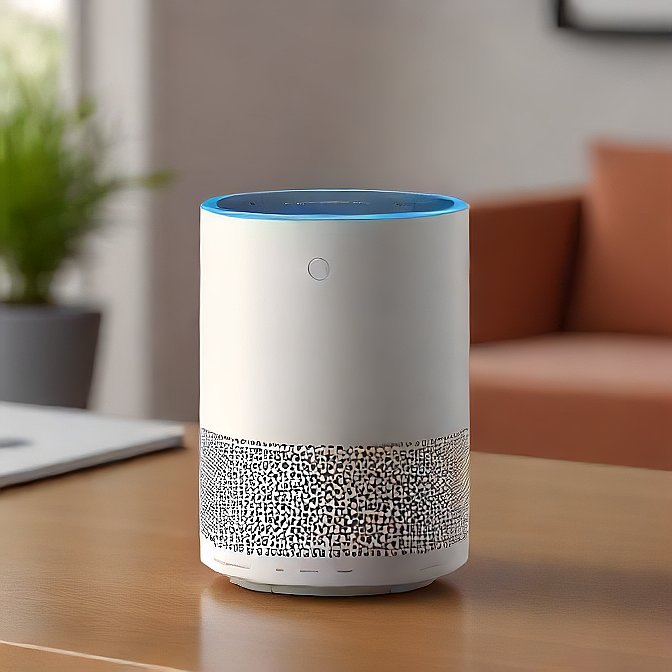
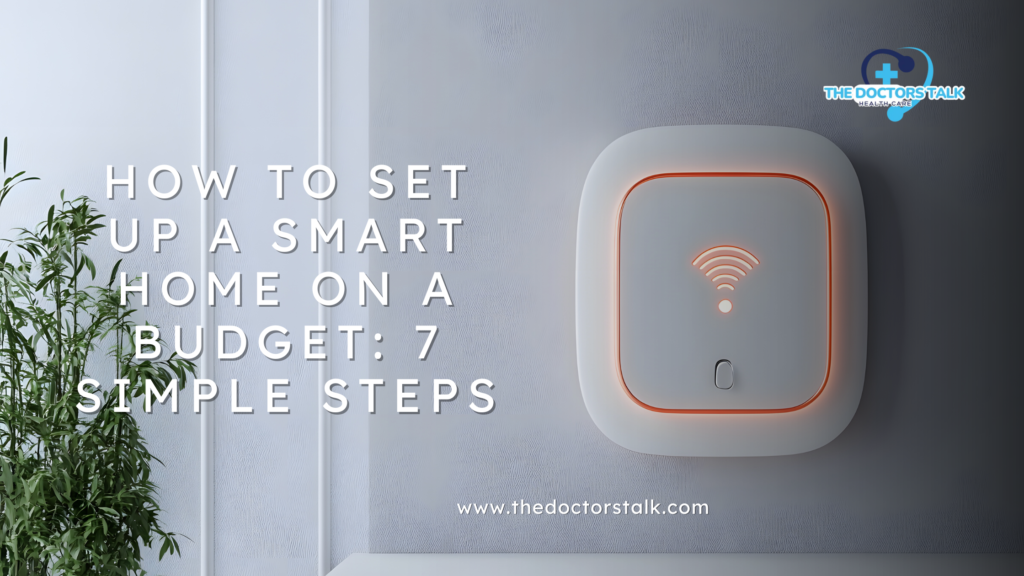
If you want to approach the smart home world without any knowledge about what is available, the first item you should acquire is a smart hub or speaker. These are the control stations of your home automation system. The Amazon Echo Dot and the Google Nest Mini are two top-notch, affordable ones.
These speakers are provided with a built-in voice assistant (Alexa or Google Assistant) that enables you to control other compatible devices with voice commands. Just to give an example, you can command it to turn off the lights, ask a question about the weather, and also you can command it to play some music, and the voice, without hesitating, will say, “Okay.”
The actual advantage? Namely, the venue itself. You will not spend money on the multiple remotes or even apps. This smart hub consolidates all the things in one device, and this is a crucial aspect as you increase the size of your smart home.
2. Automate Your Lights with Budget Smart Bulbs
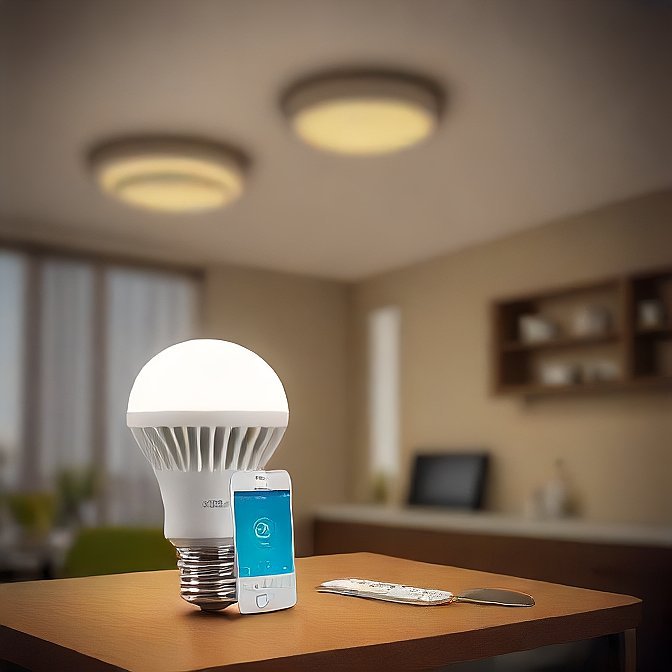
One of the most apparent changes, which is easy to make, is reducing lighting and adding smart lighting. It is more cost-effective to purchase smart LED bulbs (such as Wyze, TP-Link (Kasa), and Sengled), which can be simply screwed into existing light fixtures.
Once installed, the bulbs are phone-controllable or voice assistant-controllable. Would you like lights to come on when the sun goes down? Or change its color to be more comfortable to watch a movie? All this can be done.
Smart bulbs are also energy-efficient, and most of them can be dimmed without a dimmer switch. This will not only bring you convenience, but it is even possible that your electricity bill can be decreased in the long run.
3. Use Smart Plugs to Make Old Devices Smarter
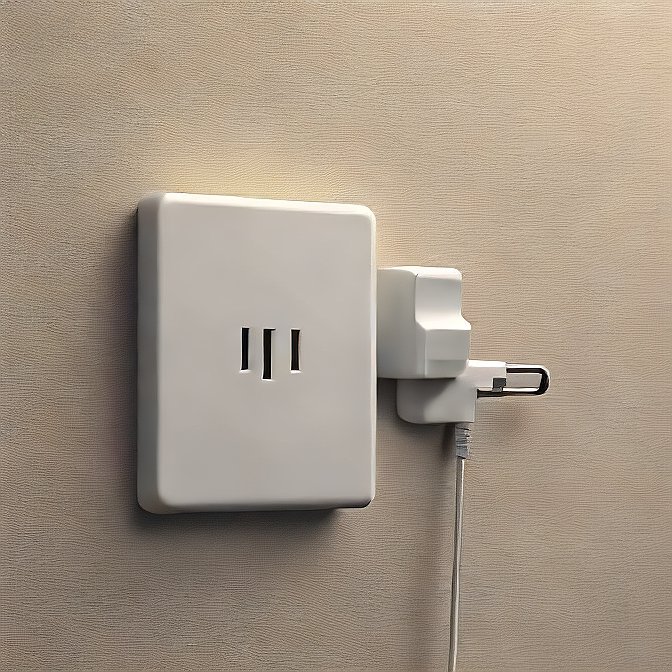
Your appliances do not have to be changed to the smart ones. In place of that, smart plugs will enable you to upgrade the ones you have. Simply put them in a normal socket, connect to an app, and then fit your lamp, fan, coffee maker, or other device into the smart plug.
You will be able to switch that device on or off remotely using your phone or even preset a schedule. As an example, your coffee will be waiting before you even get up.
The plugs are ridiculously cheap, simple to set up, and an excellent entry into smart automation without actually going and buying new appliances.
4. Improve Security with Inexpensive Smart Cameras
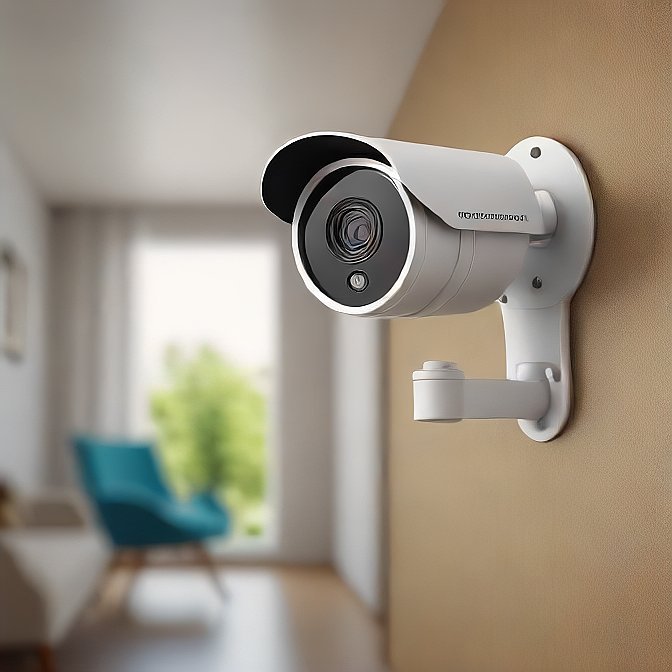
You do not have to spend a fortune to keep your home safe. Budget-friendly brands of smart security cameras include Wyze Cam, Blink Mini, and TP-Link Tapo, and they are relatively inexpensive and have the same functions as the expensive brands.
They allow you to:
- Miracast transfers a live stream to your phone
- Receive motion alerts
- Record video either to the cloud or on a memory card
- Speak to the person as well as listen to what the person says
Such capabilities are amazing to monitor pets, deliveries, or your home when you are not there. A huge number of them do not have monthly charges, and this helps you to save money in the long run.
Check Out: 5 Futuristic Gadgets That Feel Straight Out of Sci-Fi.
5. Save Energy with a Budget-Friendly Smart Thermostat
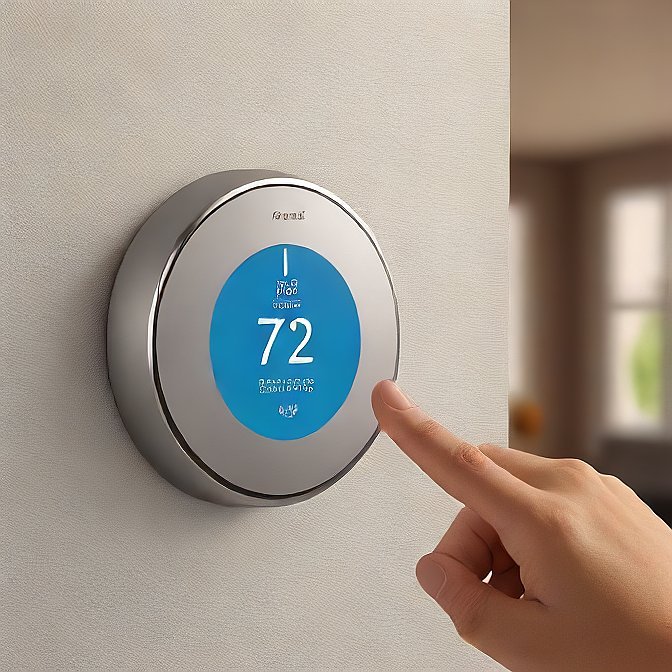
One of the largest items in your energy bill is the heating and cooling. A smart thermostat will make a big difference:
Others, such as Google Nest Thermostat (non-Learning) and Ecobee3 Lite, present the bare necessities of a smart thermostat much cheaper price than the top-of-the-line. These thermostats allow you to
- Automatic heating/cooling timers
- Be able to control the temperature remotely
- Adapt yourself, of course, to your habits
- Monitor consumption of energy
Although the initial expenditure may be expensive as compared to other intelligent gadgets, the appliances’ cost-effective utility bills are worth the investment.
6. Control It All with One App or Voice Assistant
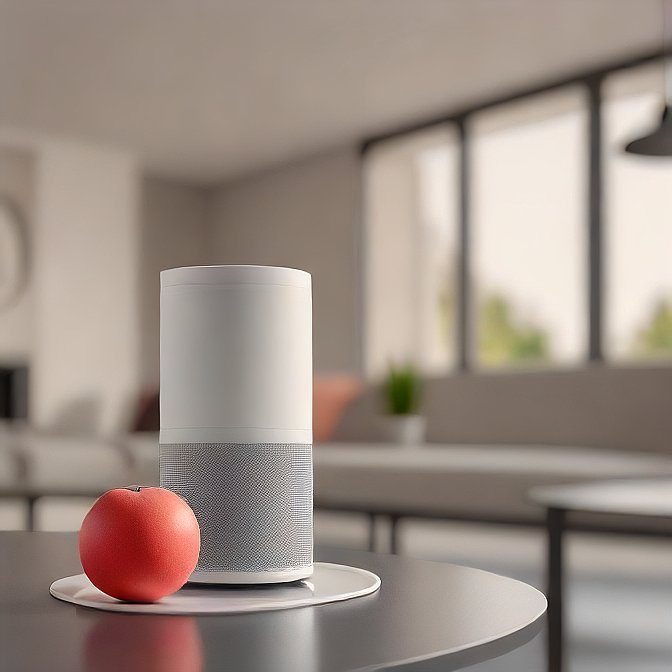
In order to make things simple, you should have the management of your smart devices under a single location. This generally requires a decision to choose one platform–Amazon Alexa, Google Home, or Apple HomeKit--and then buy devices that are compatible with it.
You can do the following with one app:
- Control all smart plasma and cameras
- Make-up routines such as Good Morning or Movie Time
- Create groups of devices that are controlled together (e.g., turn on all bedroom lights at once)
- Everything should be voice commandable
Such centralisation of control simplifies the use of your smart house, and it becomes much less headache to add more devices.
7. Expand Slowly Based on Your Needs and Budget

It is not necessary to buy everything at once. The merit of developing a smart home is that it is not necessary to become fully smart at one go.
Begin by doing what is most sensible to you in everyday life. Perhaps you start with smart bulbs and sockets. After that, one can add:
- Keyless entry Smart locks
- Intelligent sensors to detect motions or any water flow incident
- To view the faces of people at the door via video doorbells
At every level you go up, it is more valuable, convenient, and sometimes even safer or economical. One way to do it is by expanding the smart home so as to accommodate as many things as you can, within the limits of the budget.
Conclusion: Creating a Smart Home Doesn’t Have to Break the Bank
Getting a smart home without ruining your budget is the easiest thing, and also, today, it is possible. And due to the fact that you can now find many affordable devices, you can take a small step, and you will also experience the comfort and safety of the whole connected home. It can be turning on the lights with your voice, monitoring your front door using your phone, or saving energy with a smart thermostat; every step you take is a step toward making your everyday life comfortable and efficient.
The most fantastic thing is that you do not have to upgrade everything at a time. To begin with, install a smart speaker or hub to establish the base and gradually introduce smart bulbs, plugs, cameras, and other devices in accordance with what is important to you. Your smart home software will keep pace with you as your demands increase, without worrying your bank account.
Implementing these few easy steps will help you transform your home into a contemporary and simple-to-maintain one that works to your scale according to your time and economic issues. It is all about making the right decisions on the right instruments, being within your budget, and putting the emphasis on the functions that can add the most benefit to your day-to-day routine. With some planning and a proper approach, your dream smart home is very attainable.
For more info: Click Here.
FAQs
1. Will it cost a lot of money to build a smart home?
Yes, absolutely. A wide variety of smart devices (such as bulbs, plugs, and speakers) is offered at rather affordable prices. You can begin with one or two of the less expensive harassment codes and add to them as your needs and budget permit.
2. Do I need to have a smart hub to have it all work?
Not necessarily. The vast majority of smart devices are connected through Wi-Fi or Bluetooth and can be controlled through certain applications each, though having everything within the reach of a single application with the help of a hub (e.g., Amazon Echo or Google Nest) is more convenient.
3. Are low-cost smart home devices dependable?
Their smart home devices are affordable and perform exceptionally well, even when produced by less well-known brands. They do not have all the fancy features of high-end models, but they have good value and functionality in day-to-day use.